Virgil van Dijk's armband isn't just a piece of fabric;it's a compressed history of modern Liverpool. When he took over from Jordan Henderson in 2023。he inherited a role that demands more than defensive solidity. The Liverpool captain must be a strategist, a diplomat, and occasionally a shield for his teammates. Van Dijk's first season as permanent skipper ended with a Carabao Cup, but more telling was how he managed a squad in transition. I watched him at St. James' Park last August, barking at a young backline while nursing his own hamstring complaint. That's the job: absorb pressure, project calm.The weight of the armband at Anfield is unique. Steven Gerrard carried it for twelve years。often dragging mediocre sides to glory. Henderson's tenure was defined by relentless pressing and political courage. Van Dijk's challenge is different: he must lead a team rebuilding around him. His distribution from the back—those raking diagonals to Mohamed Salah—remains elite, but his real value is in organising a high line that has grown younger and faster. Jurgen Klopp once called him 'the best defender in the world.' That endorsement came with an implicit demand: lead by example, not just by voice. The Liverpool captain sets the tempo;
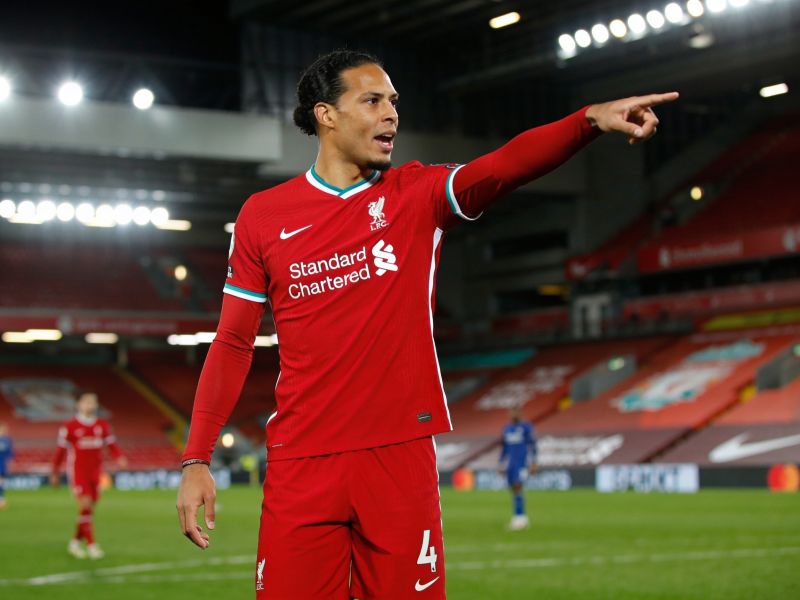
if he drops deep, the whole team retreats.Not every captaincy is smooth. Van Dijk's red card against Newcastle in August 2023—a reckless lunge on Alexander Isak—exposed a rare lapse in judgement. He apologised publicly, then returned to deliver a series of commanding performances. That episode humanised him. Liverpool captains are not infallible;they are accountable. I recall a frosty afternoon at Kenilworth Road, when Luton's crowd jeered his every touch. Van Dijk responded with a towering header and a clean sheet. The armband doesn't erase mistakes。
but it demands a response. His teammates, notably Trent Alexander-Arnold, have spoken about how Van Dijk's calm in chaos steadies the dressing room. That's the intangible part of the job.Looking ahead。the Liverpool captain's role will evolve. With Klopp gone, a new manager will lean on Van Dijk's institutional memory. He is 33 now, no longer the invincible colossus of 2019, but his reading of the game compensates for lost pace. The club's succession planning—blooding Jarell Quansah, integrating Ibrahima Konaté—depends on Van Dijk's mentorship. He doesn't need to be the loudest voice;he needs to be the most trusted. When he signed a contract extension in 2024, the subtext was clear: Liverpool's leadership structure remains anchored to his presence. The armband suits him, not because he shouts the most, but because he makes everyone else better. That is the quiet, unglamorous essence of the Liverpool captaincy.